
A Step-by-Step Guide for Buying Used Cars in Jamaica
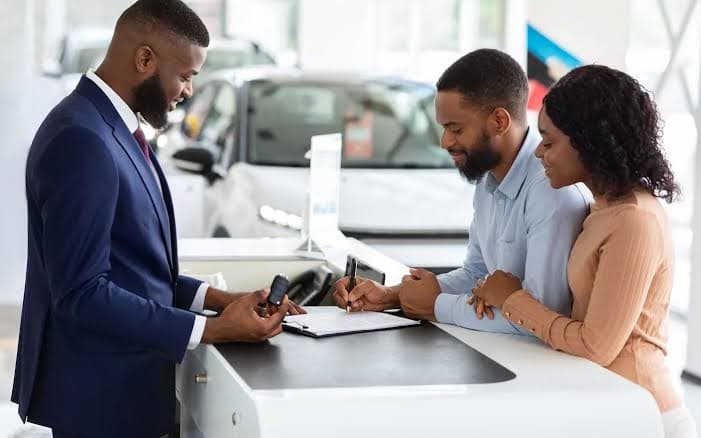
Buying a used car in Jamaica can be one of the best value decisions you'll make — or an expensive mistake. Between private sellers, dealers, imports, and the paperwork required to legally put a car in your name, there's a lot that can go wrong if you rush. This guide walks you through the whole process, step by step, so you buy with confidence and drive away with a car (and a title) you can trust.
Set a Realistic Budget, Beyond the Sticker Price
The asking price is only the start. Before you commit, factor in the full cost of getting the car on the road and keeping it there:
- Insurance (a valid cover note is required before you can register or, often, even insure the car)
- Certificate of Fitness inspection and any repairs needed to pass it
- Registration and title transfer fees at the tax office
- Immediate repairs or servicing the car may need
- Running costs — fuel, upkeep, and parts over the year
A cheap car that needs a new set of tyres, brakes, and a fitness-related repair can quickly cost more than a slightly pricier one in better shape. Budget for the total, not just the buy price.
Decide Where to Buy
You've got three main routes, each with trade-offs:
- Private sellers often have the lowest prices, but you take on all the risk yourself — you must verify the car and the paperwork with no dealer standing behind it.
- Dealers and used-car lots cost a bit more but may offer some assurance, easier financing, and help with the paperwork.
- Direct imports from Japan can offer great value and a clear vehicle history, but you'll wait for shipping and handle import documentation and duties.
Whichever route you choose, the verification steps below apply.
Inspect the Car Properly (or Bring Someone Who Can)
Never buy on looks alone. Test-drive every car and, ideally, have an independent mechanic inspect it before you pay — it's the best money you'll spend in the whole process. Pay special attention to:
Engine and transmission — listen for knocks, watch for smoke, check for leaks, and make sure gears shift smoothly.
- Suspension — Jamaican roads are hard on shocks, struts, and bushings. Listen for knocks over bumps and check for uneven tyre wear.
- Underbody — look for scrapes, rust, or a bent exhaust that hint at hard use on rough roads.
- A/C — in Jamaica's heat, "ice cold" isn't a luxury. A broken system is a real repair cost.
- Tyres and brakes — check tread depth and that all four tyres match and are in good shape.
- Bodywork — look for mismatched paint, filler, or panel gaps that can signal past accident damage.
Verify the Paperwork BEFORE You Pay
This is where buyers get burned. Do not hand over money until you've confirmed all of the following:
- The Certificate of Title exists and the seller's name matches their government ID. If the name doesn't match, do not proceed.
- The chassis (VIN) and engine numbers on the car physically match the numbers on the title and registration documents.
- The Registration Certificate is present and current.
- There's no outstanding loan (lien) on the vehicle. If the car was financed, the seller must clear the balance with their lender and the lien must be released before the car can legally be transferred to you. Never pay off someone else's car loan directly without proper documentation.
- The car isn't reported stolen. Cross-check the numbers and, if anything feels off, walk away.
If a seller can't produce a clean title in their own name, that's a red flag — stop there.
Understand the Transfer Process (Tax Administration Jamaica)
In Jamaica, ownership is formally transferred through Tax Administration Jamaica (TAJ). Here's how it works in practice:
- The transaction is done using the MVO1 form (Application for Motor Vehicle Transaction(s)), submitted at a TAJ tax office.
- Under the policy in effect since June 2024, the seller must endorse the certificate of title in the presence of a TAJ officer (or authorise someone to act on their behalf via a properly stamped Power of Attorney). The seller gets the title stamped before handing it over to you.
- Documents required for a transfer typically include the Certificate of Title, the Registration Certificate, a valid Certificate of Fitness, a valid insurance cover note, and valid photo ID.
- Once the title is stamped and handed over, you can register the vehicle in your name and get your plates. Registration plates are not transferable from person to person — each pair is reassigned by the tax authority, so the seller's plates don't simply become yours.
- Note that a brand-new Certificate of Title can take roughly three months to be issued, so plan around that timeline.
Fees and requirements can change, so confirm the current details with TAJ (or a professional) before you go. This guide is a general overview, not legal or tax advice.
Sort Insurance and Financing
- Insurance: You'll need a valid cover note in your name, and some insurers require a valid Certificate of Fitness before they'll provide coverage. Line this up early.
- Financing: If you're taking a car loan, the lender will usually want copies of the vehicle's registration details, and the transaction gets more involved. Get pre-approved where you can so you know your true budget before you shop. (Consider your own finances carefully — this isn't financial advice.)
Negotiate Smart and Get It in Writing
- Do your homework on price. Browse comparable listings so you know the fair market range for that model, year, and condition before you make an offer.
- Use a deposit properly. Once you've agreed on a car, a deposit is common to hold it — but only after you're satisfied with the inspection and paperwork.
- Get a written bill of sale signed by both parties, showing the price, date, vehicle details (chassis/engine numbers), and both names. Keep copies of everything.
Avoid the Common Scams
Watch for these warning signs:
- Prices that seem too good to be true — they usually are.
- Pressure to pay a deposit before you've seen the car or its documents.
- No title, a title in someone else's name, or "the title is coming soon."
- Reluctance to let you inspect the car or take it to a mechanic.
- Cash-only urgency with no proper paperwork.
When something feels off, trust your gut and walk away. There's always another car.
Your Quick Used-Car Buying Checklist
- Budget for the total cost, not just the sticker price
- Test-drive and get an independent mechanic's inspection
- Confirm the title is clean and in the seller's name
- Match the chassis and engine numbers to the documents
- Make sure any loan/lien is cleared before transfer
- Complete the transfer at TAJ with the MVO1 form and required documents
- Line up insurance and a Certificate of Fitness
- Get a signed bill of sale and keep all copies
Start Your Search on 876 AUTO
The smartest way to buy is to compare widely before you commit. 876 AUTO brings together used-car listings from sellers across Jamaica, so you can compare real prices, find the right model, and buy with confidence using the steps above.
Not sure which car suits you? Start with our roundup of the best used cars in Jamaica for 2026, see why Jetour has soared in popularity, or — if you're eyeing a Chinese-brand model — read our guide to buying a used Chinese-brand car in Jamaica.
Ready to Find Your Next Car?
Browse thousands of vehicles from verified sellers across Jamaica.