
How to Import a Car to Jamaica: A Step-by-Step Guide
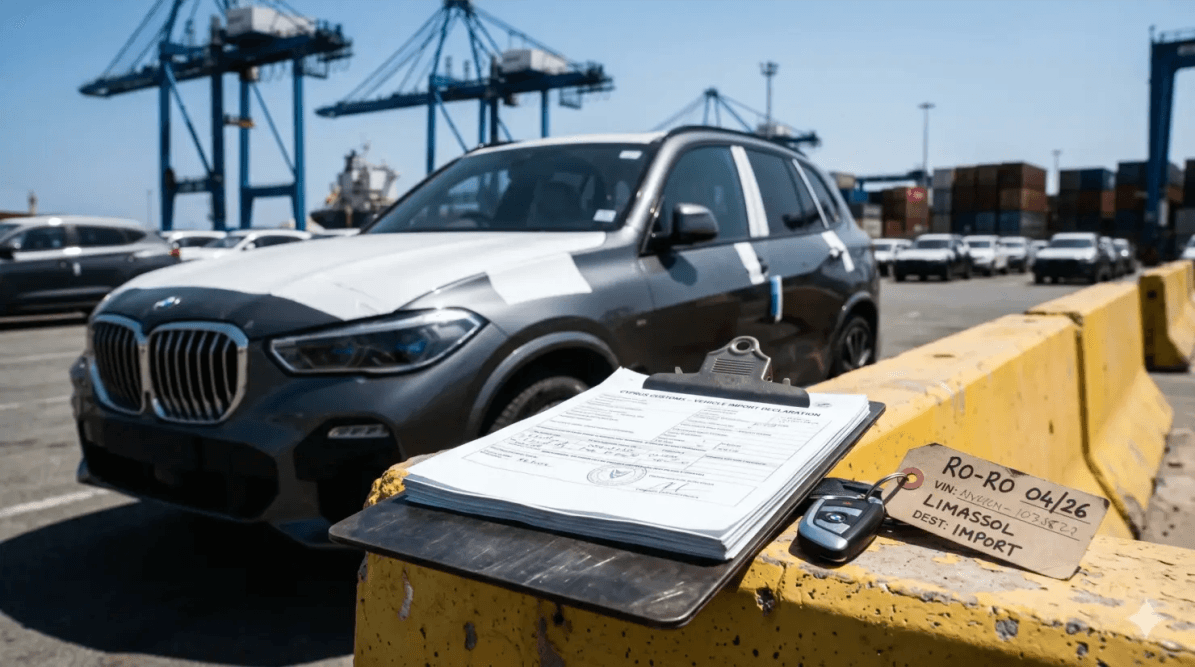
Importing your own car to Jamaica, usually a used vehicle from Japan, the UK, or the USA, can get you a specific model, a higher spec, or better value than you'd find locally. But it's a regulated, multi-step process with real costs attached, and getting a step wrong can be expensive. Here's how it works, from eligibility to plates.
Step 1: Check the Age Limit and Your Eligibility
Jamaica restricts how old an imported used vehicle can be. As a general guide under the current policy:
- Cars, station wagons, and SUVs: up to 6 years old
- Motorcycles and ATVs: up to 5 years
- Light commercial vehicles: roughly 6–10 years, depending on type
- Registered taxi operators: up to 10 years for cars/SUVs
- Returning Residents: up to 10 years, provided you've owned the vehicle for at least 6 months before applying and meet the other conditions
There are also limits on how many you can bring in. An individual may import a combination of two vehicles every three years; non-dealer companies up to three; and certified motor vehicle dealers any quantity for resale. Two more hard rules: right-hand-drive vehicles are permitted (Jamaica drives on the left), and importing damaged or salvaged vehicles is prohibited.
Step 2: Get Your Import License FIRST
This is the step people most often get wrong. You must apply to the Trade Board Limited for an import licence and receive it before you make any shipping arrangements. Applications are made online through JSWIFT (the Jamaica Single Window for Trade) at jswift.gov.jm — you register, upload your documents, pay the fee, and track the application status online.
Shipping a car before your license is approved is a serious risk. Sort the paperwork first.
Step 3: Choose and Inspect the Vehicle Abroad
- Once you know your budget and eligibility, select your vehicle from a reputable overseas exporter. Two things matter here:
- Pre-shipment inspection (PSI): every used vehicle must be inspected and issued a pre-inspection certificate in the country of export before it ships. For cars from Japan this is handled by approved inspectors; the same requirement applies to vehicles from the USA, UK, Singapore, and the UAE.
- Vehicle history and condition: buy from an established exporter with clear grading and documentation. A clean auction sheet or service history is worth paying a little more for, and it protects you from importing a lemon sight-unseen.
Step 4: Ship It
You have two main shipping methods:
- RoRo (Roll-on/Roll-off): the car is driven onto the vessel. It's usually the cheaper option for a drivable vehicle.
- Container: offers better protection from the elements and theft, and lets you ship personal effects with the car, but costs more.
Make sure your shipper receives the key documents: the title / export certificate / de-registration certificate, the commercial invoice, and your import license. On loading you'll receive the Bill of Lading, which you'll need to clear the car on arrival.
Step 5: Understand the Costs (This Is the Big One)
Jamaica calculates all import taxes on the vehicle's CIF value — Cost, Insurance, and Freight (the price of the car plus insurance plus shipping). The taxes are then applied in layers, with each one calculated on the running subtotal, not just the base price. The main components are:
- Import Duty — an ad valorem tax based on the Common External Tariff, around 20% for a standard passenger car
- Special Consumption Tax (SCT) — varies significantly by engine size and fuel type, and is the single biggest swing factor in your total
- General Consumption Tax (GCT) — 15%, applied on top of the CIF value plus the preceding duties
- Environmental Levy — 0.5% of CIF
- Standards Compliance Fee (SCF) — 0.3% of CIF
- Customs Administrative Fee (CAF) — a smaller flat fee (commonly in the region of US$180–250)
Because SCT is tied to engine displacement, the total tax burden climbs steeply with engine size. As a rough guide from recent rate schedules, the aggregate tax on a petrol car runs from roughly 52% of CIF for the smallest engines (1,000cc and under), to around 66% for 1,001–2,000cc, to about 80% for engines above 2,000cc.
The big exception is electrified vehicles. Hybrids attract a much lower aggregate rate, and fully electric vehicles have qualified for 0% import duty and 0% SCT, leaving only the 15% GCT on CIF. That's a major reason hybrids and EVs have become so popular with Jamaican importers.
A simplified illustration: for a mid-size petrol car around 1,800cc landing at a CIF of roughly US$20,000, an individual importer could pay well over US$13,000 in combined duties, taxes, and fees, and that's before registration, insurance, and plates. Always get a detailed landed-cost estimate from your broker before you buy, and use an official duty calculator to sanity-check it. Don't forget port and storage fees, which increase daily — so clear your vehicle promptly.
Step 6: Clear Customs
When the vehicle arrives, a licensed customs broker handles clearance. The broker completes the eSAD (electronic Simplified Administrative Document), which records the vehicle details, importer, shipping information, and the duties owed, and submits it to Jamaica Customs. The car is inspected, you pay the assessed duties, taxes, and fees, and it's released. The Island Traffic Authority (ITA) is the competent authority for determining roadworthiness.
Using a good broker is money well spent — they know the classifications and the process, and they'll keep you from costly mistakes at the port.
Step 7: Register, Insure, and Get Plates
Once the car clears customs, you still have to make it legal to drive. That means arranging Jamaican insurance, obtaining a Certificate of Fitness, and completing registration and licensing through Tax Administration Jamaica to get your plates. This part mirrors any local purchase — our used car buying tips for Jamaica walk through the TAJ registration process in detail.
Is Importing Worth It?
Importing makes the most sense when you want a specific model, trim, or spec that's hard to find locally, or when the landed cost genuinely beats the local price for the same car — often the case for certain hybrids and well-chosen models. But it ties up your money for weeks, carries currency and shipping risk, and leaves you managing paperwork across two countries.For many buyers, the simpler route is to let someone else handle the import and buy the car once it's already on the island — with the title, fitness, and duties already sorted. If that's you, skip the shipping lanes and browse cars that are here, now.
Your Quick Car-Import Checklist
- Confirm the vehicle meets the age limit for its category
- Check your import allowance (typically two per individual every three years)
- Apply for and receive your Trade Board import licence via JSWIFT before shipping
- Ensure the vehicle passes pre-shipment inspection (PSI)
- Choose RoRo or container shipping and gather title, invoice, and licence
- Budget for the full landed cost: duty, SCT, GCT, levies, fees, and port charges
- Use a licensed customs broker to clear the car
- Register, insure, and plate the vehicle through TAJ after release
Prefer to Skip the Shipping? Shop on 876 AUTO
Importing is powerful when you want something specific — but if you'd rather buy a car that's already cleared, titled, and ready to drive, 876 AUTO lists used vehicles from sellers right across Jamaica. Compare real local prices before you decide whether importing is truly worth it.
Doing your homework? Pair this with our roundup of the best used cars in Jamaica for 2026 and our step-by-step used car buying tips.
Ready to Find Your Next Car?
Browse thousands of vehicles from verified sellers across Jamaica.